01
Counsel
Boutique legal practice through Nabasa & Co. Advocates: public law, corporate governance and compliance, real estate, commercial disputes, arbitration, and high-stakes transactions.
Senior Counsel. Managing Partner of Nabasa & Co. Advocates. Executive Director of the Fidelis Leadership Institute. Past President of the Uganda Law Society. Building institutions, defending the rule of law, and raising ethical leaders for Africa.
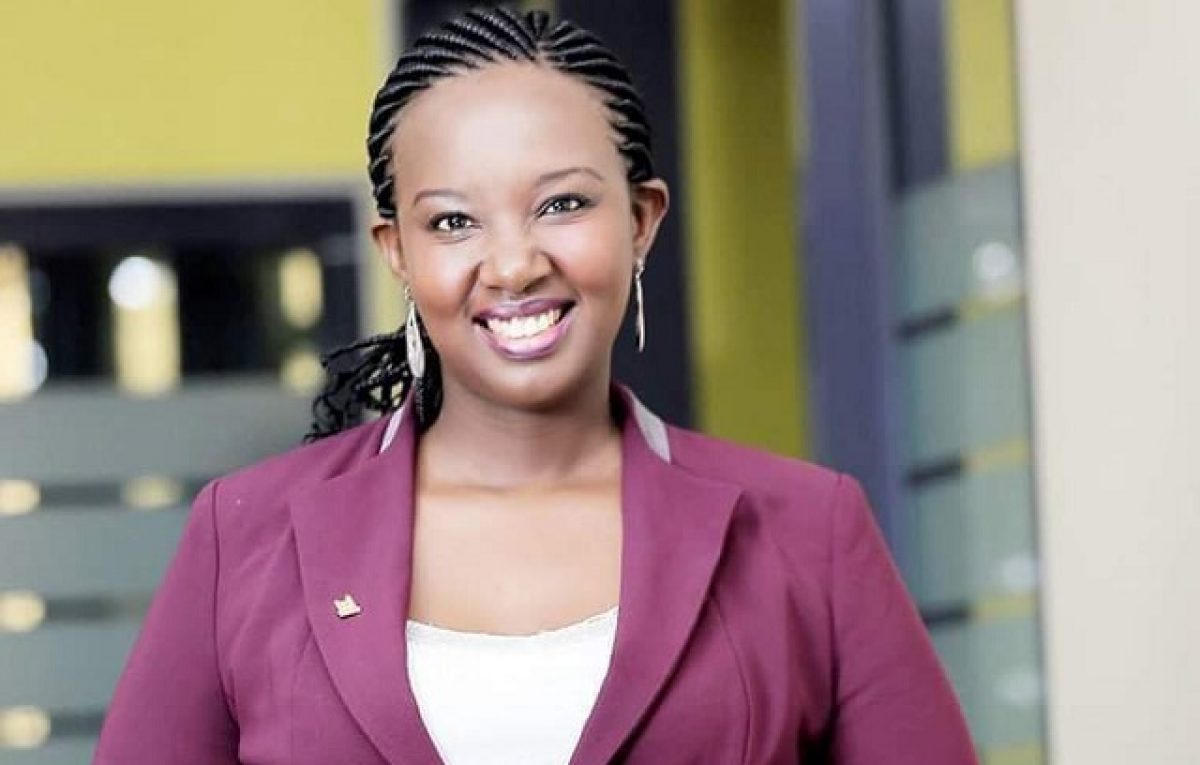
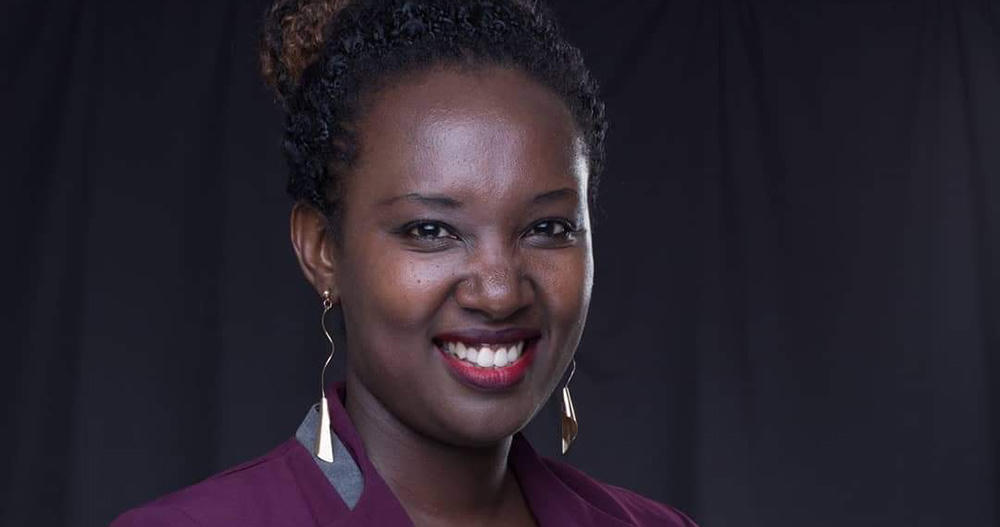
Pheona Nabasa Gladys Wall was born and raised in Jinja, first-born of three. A Uganda Commercial Bank scholarship took her to Mount Saint Mary’s College Namagunga after she emerged as the best PLE student in the Eastern Region. She read Law at Makerere University on government scholarship, completed the Postgraduate Diploma in Legal Practice at the Law Development Centre, and earned a Master in Management at Makerere.
She is an Advocate of the High Court of Uganda, a Commissioner for Oaths, a Chartered Mediator and Arbitrator (MCIArb), and one of the relatively few Ugandan advocates elevated to the rank of Senior Counsel. She combines a corporate legal practice with board-level governance work and a public vocation: access to justice, ethical leadership, and the rule of law.
She now leads two complementary platforms: Nabasa & Co. Advocates and the Fidelis Leadership Institute. The record of how she arrived there is below.
She is a Christian, a wife, and a mother of three. Her working mantra — Faithful, Available, Teachable — is both a personal ethic and the operating system of the institutions she builds.
Counsel. Leadership. Impact. That is how the market already meets her.
Boutique legal practice through Nabasa & Co. Advocates: public law, corporate governance and compliance, real estate, commercial disputes, arbitration, and high-stakes transactions.
Executive coaching, board training, and the Fidelis Leadership Institute — raising a critical mass of ethical, visionary leaders under the F.A.T. ethic.
Access to justice, legal aid expansion, public interest litigation, youth and women leadership, and board service that protects the vulnerable and strengthens institutions.
Work is delivered through Nabasa & Co. Advocates (Plot 61 Kanjokya Street, Kamwokya) and the Fidelis Leadership Institute. Engagements are confidential, commercially literate, and ethically anchored.
Technically rigorous advice that still has to work in a boardroom and on a construction site.
Training and advisory for boards that must hold risk, reputation and purpose at the same time.
Through Fidelis: F.A.T. Fellowship, masterclasses, executive coaching and bespoke legal programmes.
Keynotes and panels on the rule of law, women in leadership, business continuity, and ethical power.
Compiled from public records, her firm, the Uganda Law Society, PALU, Fidelis Leadership Institute, and contemporaneous reporting. Dates reflect the best available public sources.
Best PLE student in the Eastern Region; UCB scholarship to Mount Saint Mary’s College Namagunga; government scholarship for LLB at Makerere; early service as Outreach Secretary of the Law School Fellowship and volunteer at the LDC Legal Aid Clinic.
Head of Public Relations and legal member of the Contracts Committee at NWSC, including loan negotiations and infrastructure work. Later Head of Public Relations at Airtel Uganda during the Warid merger, Cranes sponsorship, Airtel Rising Stars and Arsenal partnership. Returned to NWSC as Senior Manager, Legal Services from June 2014. Earlier private practice at Tumusiime Kabega and Beyaraza Wagabaza.
Honorary Secretary of the Uganda Law Society (2016), then Vice President and Chair of the Legal Aid and Pro Bono Project. Lecturer of Law at Kampala International University; Patron of the KIU Law Society. Clinic growth and legal-aid outcomes are set out under Advocacy.
Elected 13 September 2020 with 441 votes. Led the Bar through COVID-19, argued for lawyers as essential workers, defended those detained under pandemic directives, began construction of the ULS House, observed elections, and worked to place lawyers in underserved rural areas. Fourth woman to hold the presidency.
Founded and serves as Executive Director of FLI, a training institute whose mission is to raise ethical and visionary leaders. Programmes include the F.A.T. Fellowship, executive coaching, youth empowerment, and partnerships such as the Public Interest Litigation Compendium with KAS Uganda and youth advocacy training with the French Embassy.
Conferred the rank of Senior Counsel. Served as Secretary General of the Pan African Lawyers Union (2022–2025 term). Continues as Managing Partner of Nabasa & Co. Advocates.
Appointed first CEO of LEAD in March 2023. Public accounts record that membership was tripled before she stepped down in December 2024 to concentrate on private practice and Fidelis.
Current and recent appointments drawn from public biographies, LinkedIn, firm materials and institutional pages. Always confirm live mandates before publication on letterhead.
Managing Partner / Senior Partner
Founder & Executive Director
Vice Chairperson; Audit & Risk Committee
Chair, Risk Committee
Non-Executive Director
Member, Board of Directors
Non-Executive Director / Goodwill Ambassador
Secretary General, 2022–2025
Council Member
Also served on or with: Zamara Retirement Fund (Registered Trustee), ICAMEK, CADER, JLOS Steering Committee, East African Law Society Governing Council, Public Relations Association of Uganda, Teach for Uganda, Fields of Life, Water FC, Future Investments Group, East African Young Water Professionals, Efficacy Methodology Advisory Council, and FIDA, IBA, ICGU, PRAU memberships.
The public brief runs from the LDC Legal Aid Clinic as a student (2003–2006) through the Legal Aid Project of ULS, a pandemic presidency, and the 2025 public-interest litigation compendium. What can be counted is listed first. What remains unfinished is listed last.
As Vice President and Chair of the Legal Aid and Pro Bono Project (2018–2020) she grew the clinic map from eleven towns to twenty-three, stood up an SGBV call centre, and regionalised Pro Bono Day so the free-lawyers calendar was no longer a Kampala event.
ULS still operates that network. In 2023 the project reached 82,099 people — 46,187 through representation, advice or mediation; 35,912 through rights awareness. Across 2018–2023 the cumulative figure is 517,921.
IDLO’s Community Justice Programme, working through a subset of the clinics, recorded 10,423 vulnerable clients in 2022, including land recoveries of 154 acres for 34 complainants and family-maintenance settlements that kept children housed.
In April 2020, still Vice President, she argued on camera that advocates were essential workers — not as a guild privilege, but because lockdown produced illegal detention, unpaid bail, a collapse of family-law process and a spike in gender-based violence while clinic staff could not travel.
As President she put a task force around people arrested for violating pandemic directives, advised government on the legal side of the emergency, and tried to hold a divided profession together long enough to do that work. The French and German embassies gave her the 2021 Élysées Peace and Reconciliation Award for rule-of-law work in those months.
She has never claimed the gap closed. With about 2,800 lawyers doing some free work, the ratio was still one lawyer to roughly 19,000 people. Hiil’s figure that only about five percent of Ugandans could reach court sat next to court arrears she put at Shs 8 trillion then — later described as Shs 20–22 trillion.
In the Commonwealth Lawyers Association essay Forged by fire she listed the institutional work of the presidency: a task force to protect members from persecution; rescues of members from wrongful imprisonment; ULS as an election observer; and new working relationships with CID, PSFU, UPDF and the Kingdom of Buganda to push legal services beyond Kampala.
The method is deliberate: take instructions the Bar can actually plead, spend members’ money only on cases that can survive, and treat public-interest litigation as a craft, not a slogan.
ULS records among her professional roles that she advocated for the reopening of Nation Media Group’s NTV and KFM. The same brief appears in the Nile Post interview titled with her line: “You can’t be democratic when you silence people.”
Lawyers as essential in a crackdown. Journalists as people who need a Bar that will show up. A refusal of the claim that a state can close stations and still call itself a process state.
As President she used the Society as plaintiff or intervener when the facts were good enough. After the presidency, through Fidelis and partners including Konrad-Adenauer-Stiftung, she helped produce a compendium of 24 landmark PIL cases, launched on 7 October 2025 on the eve of the Constitution’s thirtieth anniversary.
The point she gave CEPA was pedagogical: Uganda does not lack precedents. It lacks a shared tutorial of which cases actually moved the constitutional needle. That is advocacy aimed at the next generation of pleaders, not at a single respondent.
If the Society is divided, rural, unpaid and afraid, clinics do not hold. Interior reforms were therefore part of the advocacy, not a distraction from it.
Legal aid remains donor-fragile. After the Democratic Governance Facility wound down, ULS itself warned that clinic staff and services were at risk. Expansion under her chairmanship is real; permanence is not guaranteed.
Rural scarcity of advocates was a stated priority. Encouraging Kampala firms “upcountry” is policy, not a completed redistribution. PIL wins are episodic; she has said ULS should not sue on thin air, which means some public demands never become cases. Court backlog and the five-percent access figure were not reversed by any one presidency.
Her later High Court challenge to ULS over the Judicial Service Commission nomination — quashed as an unfair hearing — is advocacy for due process inside the profession. It is not a substitute for structural justice reform.
Through-line. From the LDC clinic as a student to chairing LAP, to the presidency in a pandemic election year, to the PIL compendium in 2025: get lawyers to the people who cannot pay, keep lawyers free enough to speak, and use public-interest cases only when they can actually move the Constitution. The Élysées award, the Hiil “Talent to Watch” citation and Senior Counsel in 2022 recognise that brief. The twenty-three clinics and the half-million people through LAP between 2018 and 2023 are the part you can count.
Public moments from the work — the Bar, legal education, awards, boards and civic training. Captions describe the occasion, not a pose.
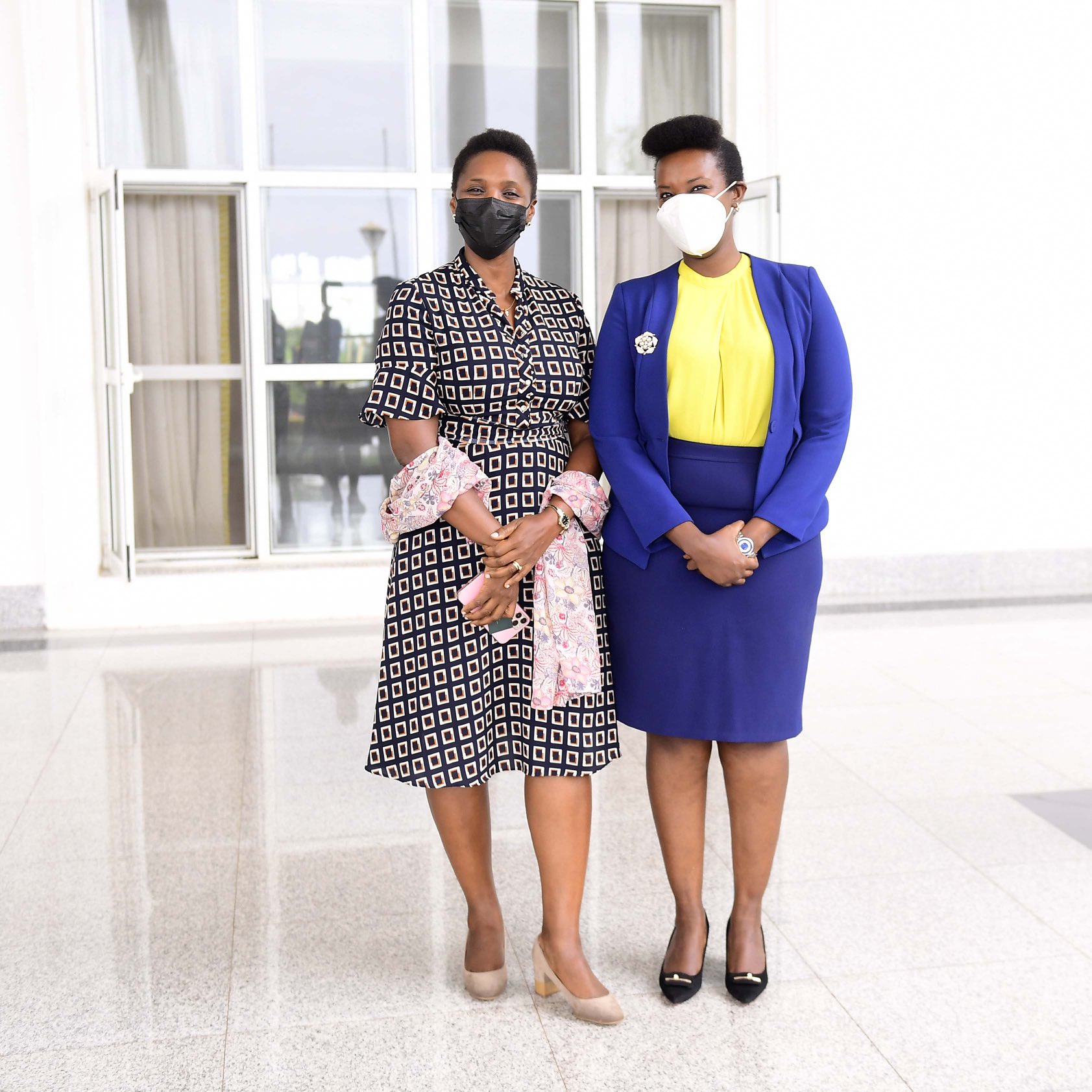
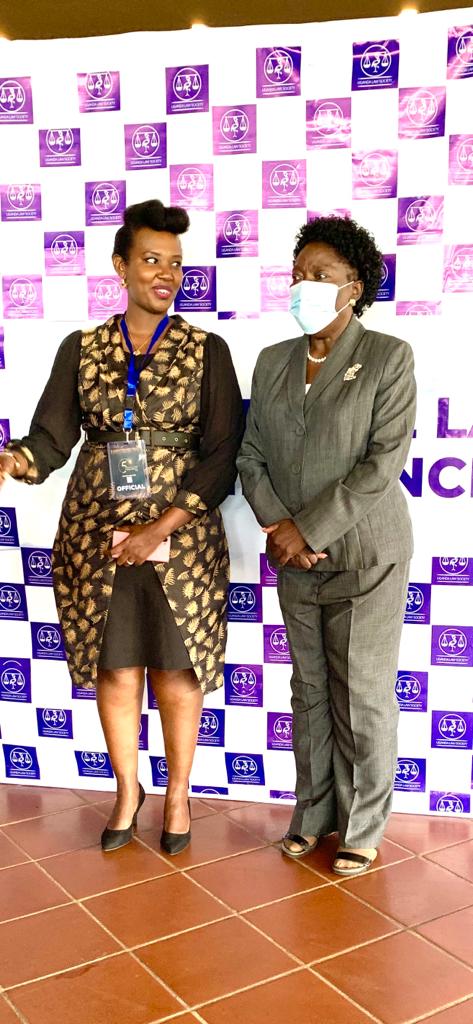
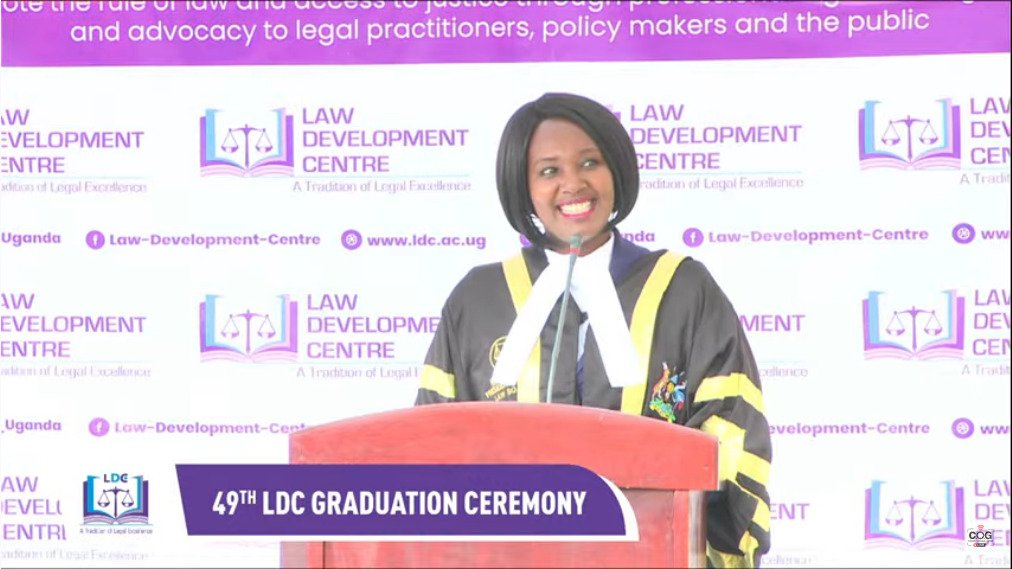
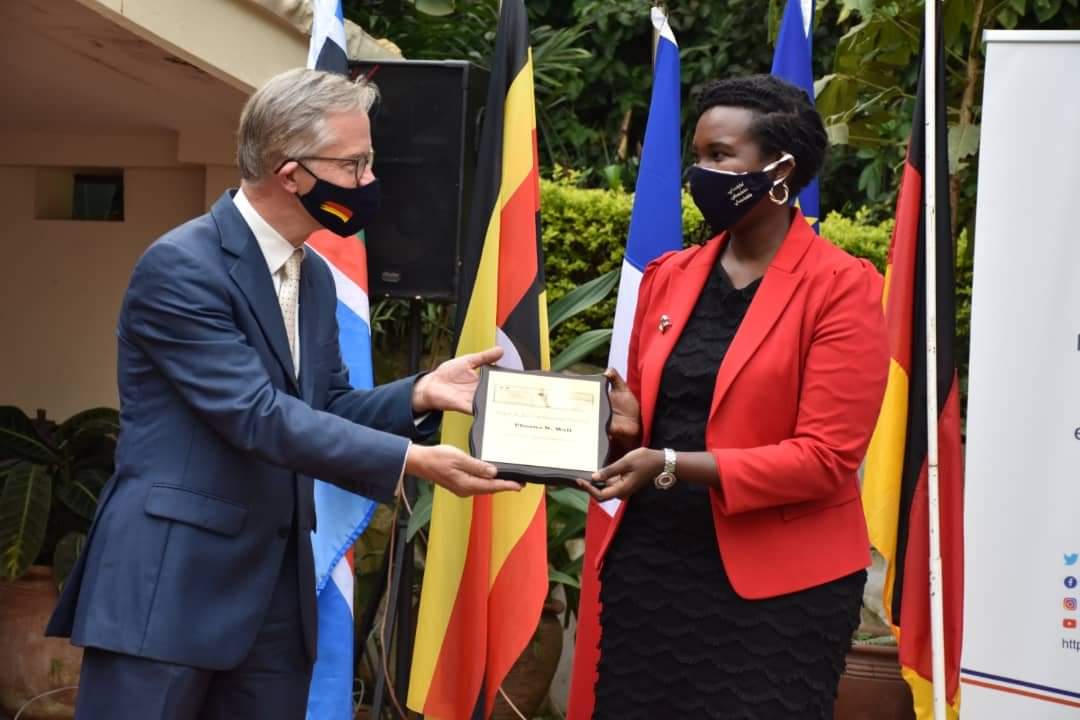
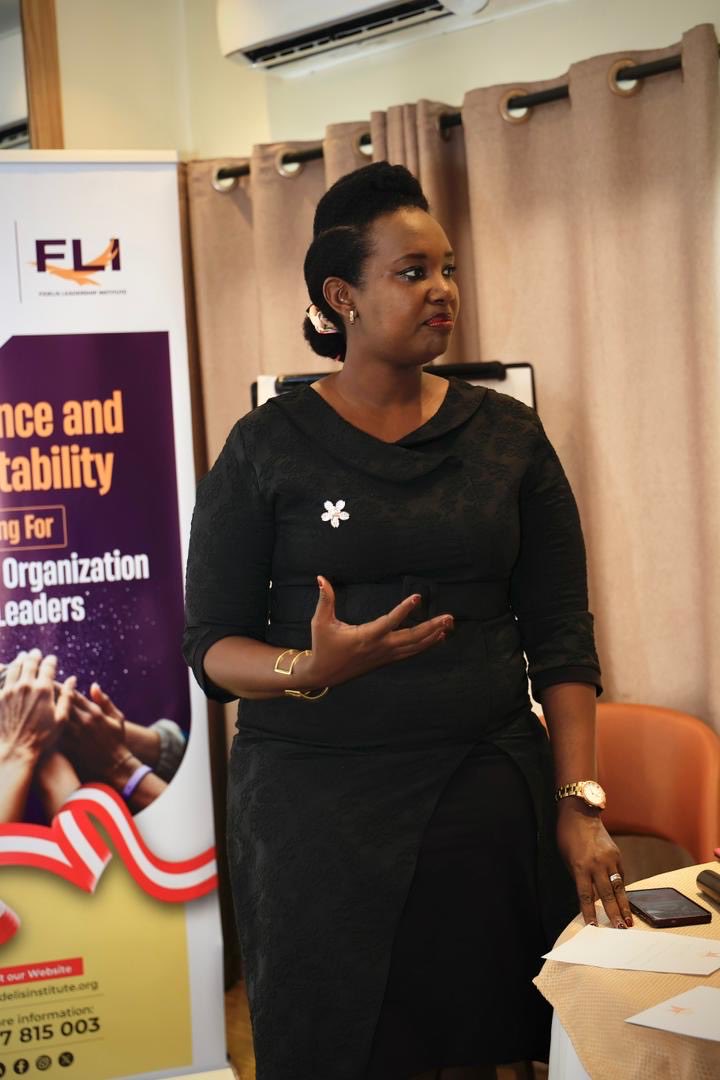
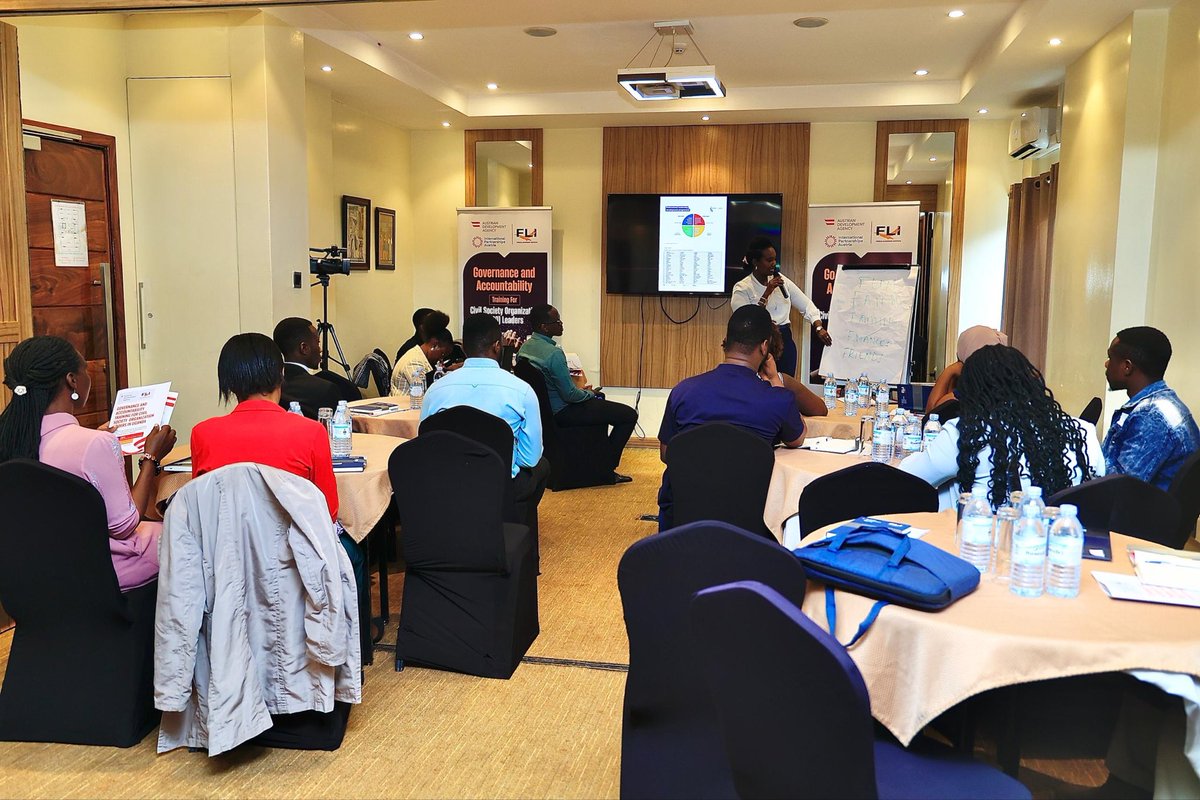
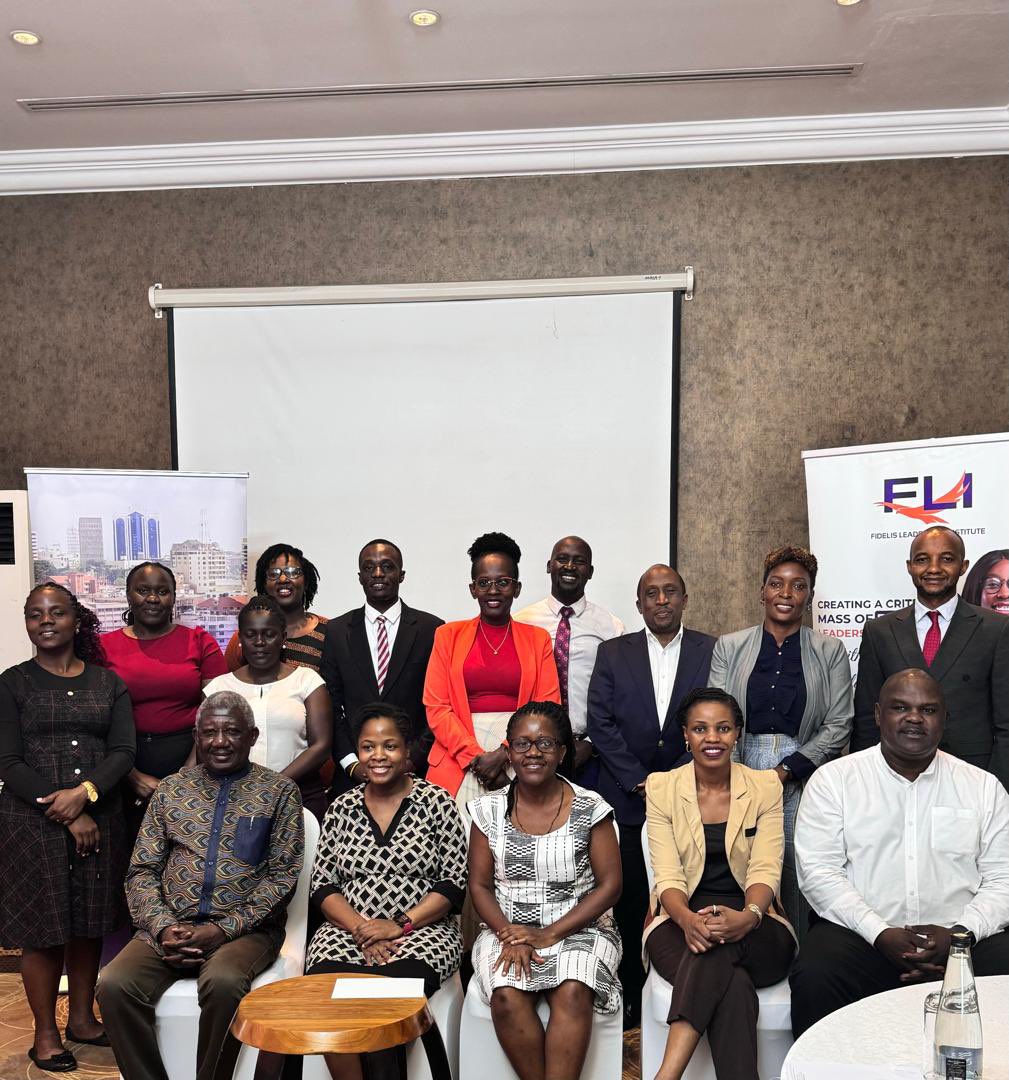
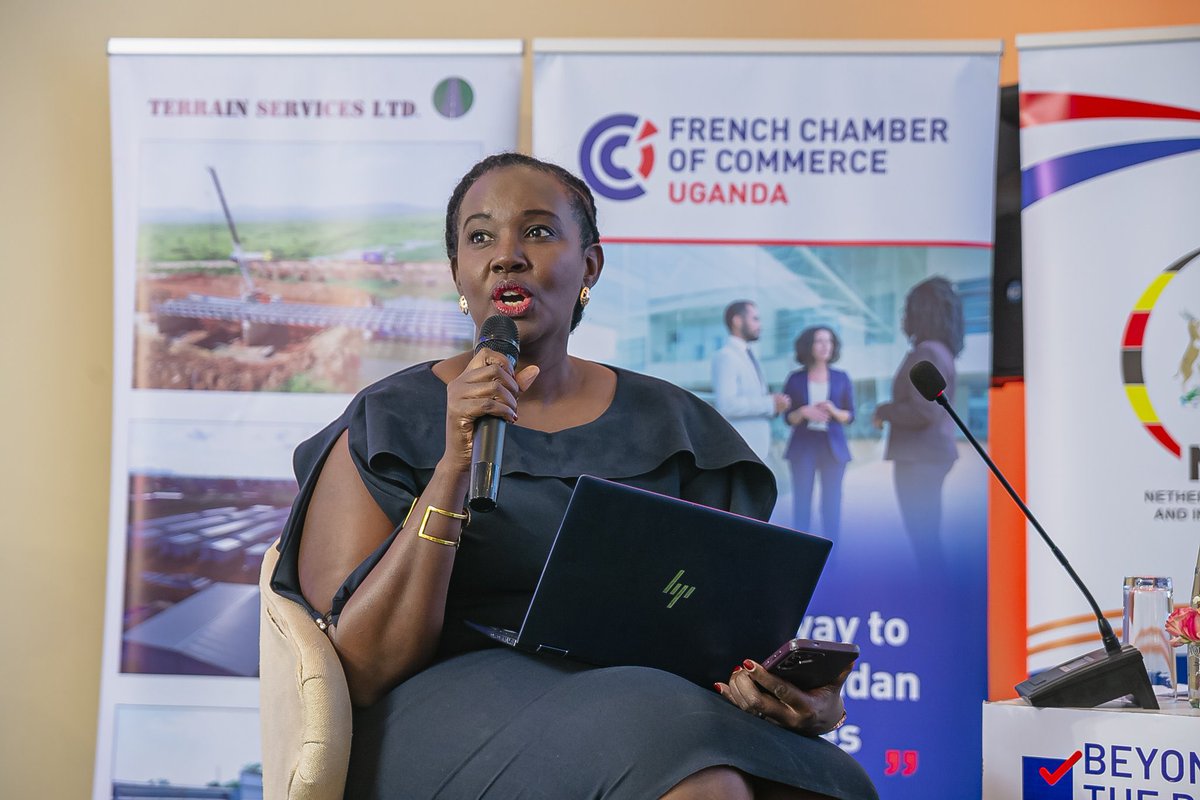
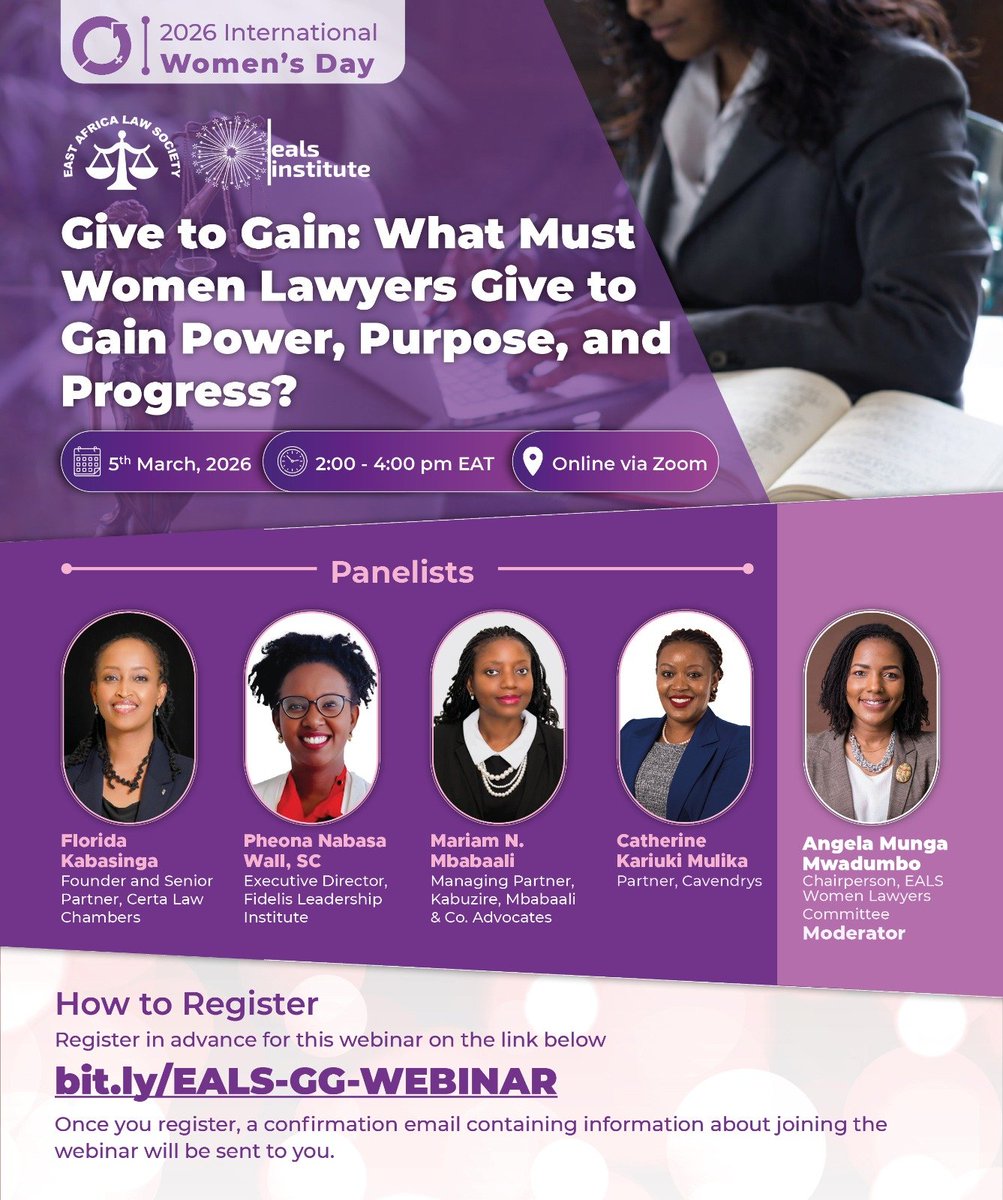
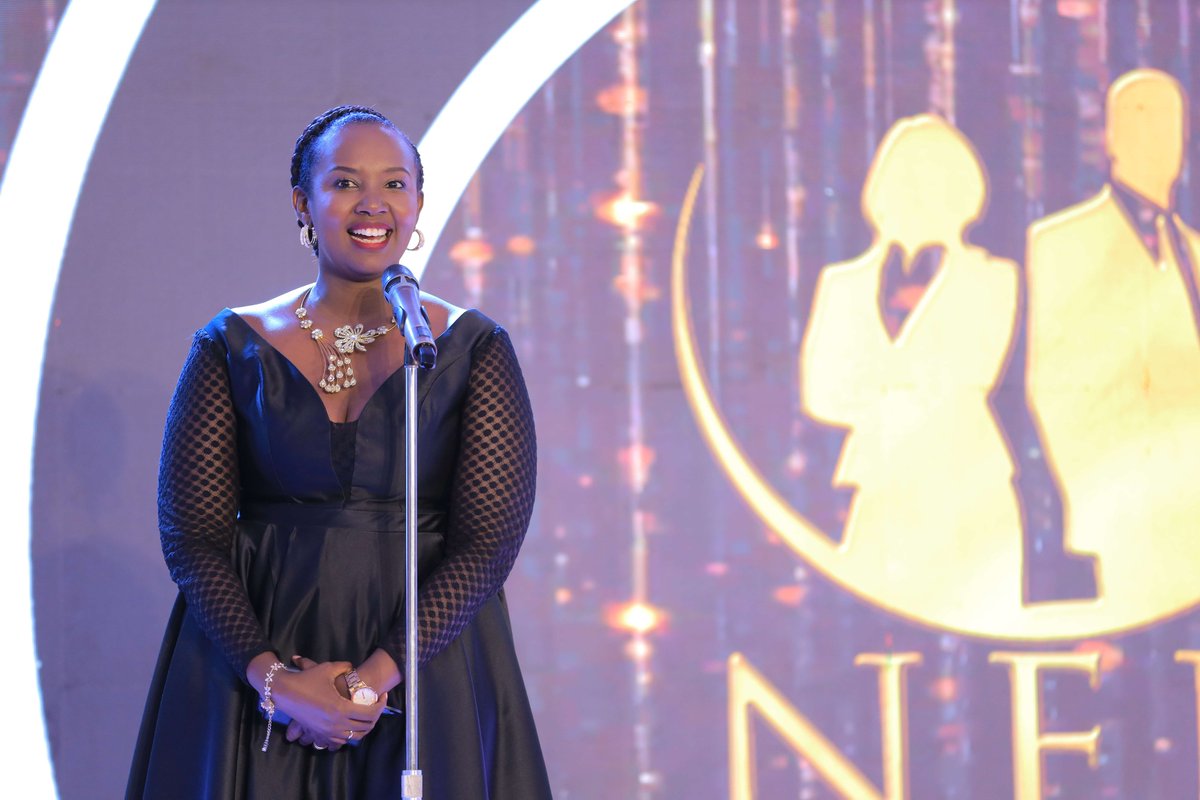
CSR sits beside the practice: Fidelis, UWEAL and SOS Children’s Villages. The legal-aid and PIL record lives under Advocacy.
Fidelis Leadership Institute grows Faithful, Available and Teachable leaders — from school-age programmes to executive coaching. Partners have included the French Embassy and Konrad-Adenauer-Stiftung. Legal-aid and rule-of-law work is told on the Advocacy page, not repeated here.
Board service at UWEAL and SOS Children’s Villages, and membership of FIDA. The public brief is the economic and legal empowerment of women and the protection of children.
Long-form pieces published on LinkedIn, with companion essays on the Fidelis Leadership Institute site. Open any card to read the original.
On how East African boards should treat talent, succession and leadership development as fiduciary work in a region shaped by integration and digital disruption.
Read on LinkedIn →A Fidelis-framed reading of the national budget: what the numbers imply for governance, honesty in public finance, and the quality of leadership required to deliver them.
Read on LinkedIn →The European Banking Authority’s final ESG-risk guidelines, and what a lighter, clearer European standard could mean for African banks and boards that already sit in correspondent-banking chains.
Read the Pulse article →A leadership essay arguing that the difficulty a leader would rather hide is often the mandate from which authority, teaching and reform actually grow.
Read on LinkedIn →Treats leadership the way economics treats land, labour and capital — as an input that either multiplies or wastes every other resource an institution holds.
Read on LinkedIn →Institute for African Women in Law profile of her Uganda Law Society presidency — pandemic leadership, a divided Bar, and access to justice — which she shared from her own feed.
See the LinkedIn share →Preview of her FIDA Uganda CLE on competition and consumer protection as tools of economic justice for women-led businesses and vulnerable consumers.
Open the LinkedIn post →Notes from serving as Chief Guest as the 54th and 55th law classes met the alumni side — sport as wellness, grit and a shared Makerere legacy.
Open the LinkedIn post →Public note of her candidacy for the Uganda Law Society seat on the Judicial Service Commission, with voting on 18 October 2025.
Open the LinkedIn post →Welcome as conference co-chair to the East Africa Law Society gathering at Speke Resort Munyonyo on AI, sustainability and cross-border practice.
Open the LinkedIn post →Full-length companion essay published through Fidelis: ESG as strategy and risk, not philanthropy, in Lagos, Kampala, Nairobi and Johannesburg boardrooms.
Read on Fidelis →Interviews and working remarks — not campaign films. Drawn from youtube.com/@PheonaWall and from broadcast interviews in which she speaks in her own voice.
The fullest personal interview on tape: Jinja, Namagunga, the Wall name, radio, law and why she ran.
Monica Amoding hosts the then President Emeritus through the F.A.T. ethic that now names Fidelis.
Reflections on PIL, legal aid reach and what it still costs ordinary Ugandans to get into court.
How she moved from Secretary to Vice President to the presidency because the Bar needed a different face and a different heart.
On an all-female executive, lost glory after 2005, and a Bar that must speak for people without a voice.
The April 2020 appeal for lawyers as essential workers — bail, GBV and legal aid clinics that could not move.
Address as ULS President to the continental Bar.
Client accounts, data protection, tax and the sellability of a practice that is properly built.
Checkpoint conversation on women in the profession, public interest litigation and whether judgments are implemented.
October 2022 ABLI Youth Forum: mentorship, purpose and what you already have in your hands.